
Maintaining your GE Cafe gas range ensures optimal performance and longevity, preserving its sleek aesthetic and cooking capabilities. This guide provides
comprehensive instructions, covering daily upkeep to deep cleaning, addressing common challenges, and offering preventative tips for a sparkling, efficient kitchen appliance.
Recent discussions among GE Cafe owners highlight concerns about burner cleaning and overall range maintenance, emphasizing the need for clear, effective instructions.
GE Appliances themselves offer resources and tips, acknowledging the importance of regular cleaning for enamel-coated and cast iron grates, as well as the entire range.
Understanding Your GE Cafe Gas Range
GE Cafe gas ranges are renowned for their blend of professional-style features and modern convenience, but understanding their specific components is crucial for effective cleaning. These ranges often feature sealed burner bases, heavy-duty grates (typically cast iron or coated), and enamel or stainless steel cooktops. The oven may include self-cleaning capabilities, alongside manual cleaning options.
Different GE Cafe models may have variations in burner design and cooktop materials, impacting the appropriate cleaning methods. For instance, stainless steel requires specific cleaners to avoid scratching, while enamel surfaces are more durable. Knowing whether your model has a warming drawer or integrated range hood is also important, as these components require separate attention.
Recent owner discussions emphasize the importance of identifying burner components – the caps, bases, and ports – for thorough cleaning. Understanding these parts allows for targeted cleaning, ensuring optimal flame performance and preventing gas buildup. Proper identification is the first step towards maintaining your range’s efficiency.
Safety Precautions Before Cleaning
Prioritizing safety is paramount when cleaning your GE Cafe gas range. Always disconnect the range from the power supply – either by unplugging it or switching off the circuit breaker – before commencing any cleaning procedure. Ensure the range is completely cool to prevent burns. Never use abrasive cleaners or scouring pads on delicate surfaces like stainless steel or the oven window, as these can cause scratches.
When cleaning the burner components, verify they are completely cool and dry before reassembling. Avoid submerging burner caps or bases in water, as this can damage the gas flow regulation. If using oven cleaner, follow the manufacturer’s instructions carefully, ensuring adequate ventilation.
Be mindful of potential gas leaks; if you smell gas during cleaning, immediately shut off the gas supply and contact a qualified technician. Wear gloves to protect your hands from cleaning agents and residue.
Daily & Quick Cleaning
Consistent, swift cleaning maintains your GE Cafe gas range’s appearance and function. Wipe spills immediately, and regularly clean the control panel and stainless steel exterior for optimal results.
Wiping Down the Control Panel
The control panel of your GE Cafe gas range requires gentle, routine cleaning to prevent buildup and maintain responsiveness. Begin by ensuring the range is turned off and cool to the touch. Use a soft, damp cloth – microfiber is ideal – with a mild dish soap solution.
Avoid abrasive cleaners or scouring pads, as these can scratch the surface. Carefully wipe down each button and the surrounding panel, paying attention to areas prone to splatters or fingerprints. For stubborn residue, allow the soapy water to sit for a few moments before gently wiping away.
Rinse the cloth thoroughly and wipe the panel again with clean water to remove any soap residue; Finally, dry the control panel with a clean, dry microfiber cloth to prevent water spots and ensure a polished appearance. Regular wiping, even daily, will keep your control panel looking its best.
Cleaning the Stainless Steel Exterior
Maintaining the stainless steel exterior of your GE Cafe gas range is crucial for preserving its premium look. Always start with a cool, dry surface. Use a stainless steel cleaner specifically designed for appliances – avoid harsh chemicals or abrasive cleaners.
Apply the cleaner to a soft microfiber cloth, not directly onto the range. Wipe in the direction of the grain to prevent streaks and scratches. For fingerprints or light smudges, a damp cloth with mild dish soap can be effective, followed by a dry wipe.
Stubborn stains may require a specialized stainless steel polish. After cleaning, buff the surface with a clean, dry microfiber cloth to restore shine. Regular cleaning prevents buildup and keeps your GE Cafe range looking pristine.
Quick Spill Cleanup on the Cooktop
Immediate action is key when dealing with spills on your GE Cafe gas cooktop. Turn off the burner and allow the surface to cool slightly – never attempt to clean a hot cooktop. For liquid spills, gently blot with a clean, absorbent cloth, working from the outside in to prevent spreading.
For sticky or baked-on spills, use a plastic scraper to carefully lift the residue. Avoid abrasive scrubbers that can damage the cooktop surface. A paste of baking soda and water can help loosen stubborn messes; apply gently and wipe clean.
Always ensure all cleaning residue is removed before relighting the burner. Regular, quick cleanups prevent buildup and maintain the cooktop’s appearance and functionality.
Deep Cleaning the Cooktop

Thorough cooktop cleaning involves removing grates and burner caps for individual attention, followed by a detailed surface scrub to eliminate accumulated grease and food particles.
Removing and Cleaning the Burner Grates
Begin by ensuring the cooktop is completely cool before attempting to remove the burner grates; this prevents burns and makes the process safer. Gently lift each grate straight up and off the cooktop. For routine cleaning, wash the grates with warm, soapy water using a non-abrasive sponge or cloth.
For stubborn, baked-on food residue, soak the grates in a solution of warm water and dish soap for at least 30 minutes, or even overnight for particularly difficult messes. After soaking, scrub with a nylon-bristled brush to dislodge the debris. Avoid using abrasive cleaners or scouring pads, as these can damage the grate’s finish.
Cast iron grates may require seasoning after cleaning to prevent rusting; a light coating of cooking oil applied after drying can help maintain their protective layer. Ensure the grates are completely dry before replacing them on the cooktop.
Cleaning the Burner Caps
After removing the burner grates, carefully lift off the burner caps. These small, often-overlooked components accumulate grease and food particles, impacting burner performance. Wash the burner caps in warm, soapy water, using a soft cloth or sponge to gently scrub away any residue;
Pay close attention to the burner ports – the small openings where the flame emerges. Use a thin wire or a straightened paperclip to carefully clear any blockages in these ports, ensuring even flame distribution. Avoid enlarging the ports, as this can affect burner safety.
Rinse the burner caps thoroughly and allow them to dry completely before reassembling. Discolored burner caps, a common concern among GE Cafe owners, can often be restored with a paste of baking soda and water, gently scrubbed and rinsed clean.
Cleaning the Burner Bases
Once the burner caps are removed, you’ll access the burner bases – the stationary parts housing the gas valves. These areas can harbor spills and baked-on residue. Use a damp cloth with mild dish soap to wipe down the burner bases, avoiding excessive water near the gas valves.
For stubborn, baked-on food, create a paste of baking soda and water. Apply it to the affected areas, let it sit for 15-20 minutes, then gently scrub with a non-abrasive sponge. Rinse thoroughly with a clean, damp cloth.
Ensure the gas valve openings are free from debris. Do not use sharp objects that could damage the valves. Allow the burner bases to dry completely before replacing the burner caps and grates, restoring optimal cooking performance to your GE Cafe gas range.
Cleaning the Cooktop Surface (Enamel/Stainless Steel)
The cleaning approach differs based on your cooktop’s material. For enamel cooktops, a gentle dish soap and warm water solution works effectively. Apply with a soft cloth, avoiding abrasive cleaners that can dull the finish. Rinse thoroughly and dry with a clean microfiber cloth.
Stainless steel cooktops require specific care to prevent streaks. Use a stainless steel cleaner, applying it in the direction of the grain. Alternatively, a mixture of white vinegar and water can cut through grease and grime.
Always wipe up spills immediately to prevent them from baking onto the surface. For stubborn residue, a plastic scraper can gently lift debris without scratching. Regular cleaning maintains the cooktop’s shine and prevents corrosion;
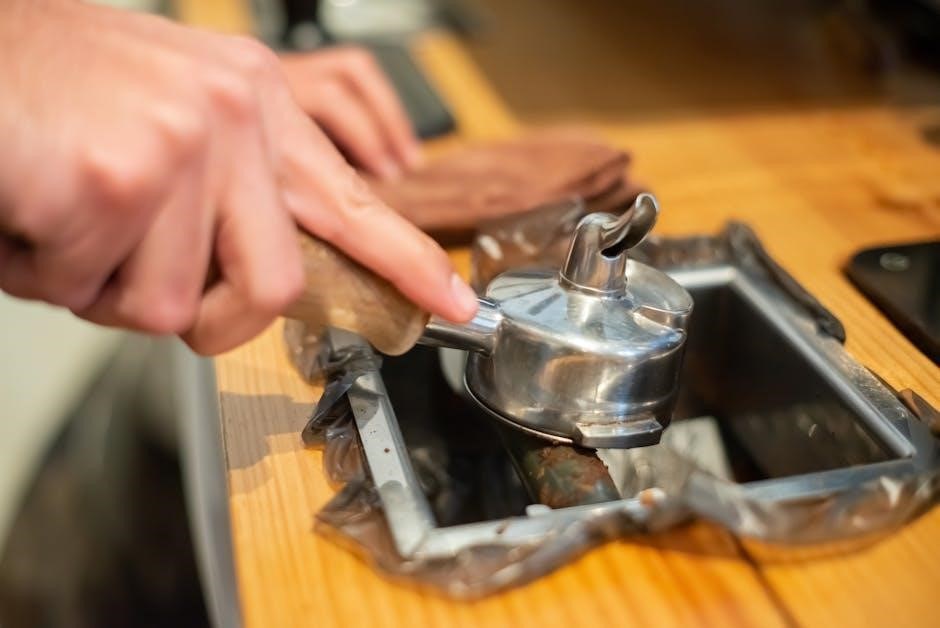
Cleaning the Oven
GE Cafe ovens offer both self-cleaning cycles and manual cleaning options, catering to different preferences and cleaning needs for optimal performance and hygiene.
Self-Cleaning Oven Cycle Instructions
Before initiating the self-clean cycle on your GE Cafe gas range, remove all racks, cookware, and any loose debris from the oven interior; these items cannot withstand the high temperatures.
Ensure the oven door can fully close and latch securely, as this is crucial for maintaining proper temperature and safety during the cycle. Select the self-clean cycle on the control panel, choosing the desired cleaning duration – options typically range from 2 to 4 hours.
The door will automatically lock during the cycle and remain locked until the oven cools sufficiently; do not attempt to force it open. A strong odor may be present during the process, so ensure adequate ventilation by opening windows or using a range hood.
Once cooled, wipe away any remaining ash with a damp cloth. Always consult your GE Cafe range’s user manual for specific self-clean cycle instructions and safety precautions.
Manual Oven Cleaning Methods
For those preferring to avoid the self-clean cycle, manual oven cleaning offers a viable alternative. Begin by removing oven racks and soaking them in warm, soapy water. Create a cleaning paste using baking soda and water – a ratio of approximately 1/2 cup baking soda to a few tablespoons of water – and coat the oven’s interior surfaces, avoiding heating elements.
Allow the paste to sit for several hours, or ideally overnight, to loosen baked-on food residue. Subsequently, use a damp sponge or cloth to scrub away the loosened debris. For stubborn areas, a plastic scraper can be helpful.
Rinse thoroughly with clean water, ensuring all traces of baking soda are removed. Finally, dry the oven interior and replace the cleaned racks. This method requires more effort but avoids strong odors and high temperatures.
Cleaning the Oven Door
The oven door often accumulates splatters and grime, requiring dedicated cleaning. Start by wiping down the exterior with a mild dish soap and water solution, using a soft cloth to avoid scratches. For baked-on residue on the glass, create a paste of baking soda and water, applying it to the affected areas.
Let the paste sit for approximately 15-20 minutes, then gently scrub with a non-abrasive sponge or cloth. Rinse thoroughly with clean water and dry with a microfiber cloth for a streak-free finish. Avoid using harsh chemicals or abrasive cleaners, as these can damage the glass.
If your GE Cafe range has a removable oven door, consult your owner’s manual for specific instructions on safe removal and reinstallation for easier cleaning access.
Cleaning the Oven Window
Maintaining a clear oven window is crucial for monitoring your cooking progress. Begin by ensuring the oven is cool. For light residue, a simple solution of warm water and dish soap applied with a soft cloth often suffices. However, baked-on splatters require a bit more effort.
A paste made from baking soda and water is an effective, non-abrasive cleaner. Apply the paste, let it sit for 15-20 minutes, then gently scrub with a non-abrasive sponge. Rinse thoroughly and dry with a microfiber cloth to prevent streaks. Avoid harsh chemicals, as they can damage the glass.
For particularly stubborn stains, consider a commercial oven glass cleaner, following the manufacturer’s instructions carefully. Regular cleaning prevents buildup and makes future cleaning easier.

Specific Cleaning Challenges
Addressing baked-on food, grease splatters, and clogged burner ports requires targeted techniques to restore your GE Cafe gas range’s performance and appearance effectively.
Removing Baked-On Food Residue
Baked-on food can be particularly stubborn on your GE Cafe gas range, requiring a multi-pronged approach. Begin by ensuring the cooktop is cool. Create a paste using baking soda and water, applying it generously to the affected areas. Allow this paste to sit for at least 15-20 minutes, or even overnight for severe buildup.
Next, gently scrub the residue with a non-abrasive sponge or cloth. Avoid using harsh scouring pads, as these can damage the cooktop’s surface. For particularly tenacious spots, consider using a plastic scraper to carefully lift the residue.
Alternatively, a cooktop cleaning cream specifically designed for gas ranges can be effective. Follow the product’s instructions carefully. Always rinse thoroughly with clean water and dry with a soft cloth to prevent streaks and maintain a pristine finish. Remember patience is key when tackling baked-on messes!
Dealing with Grease Splatters
Grease splatters are inevitable during cooking, but prompt attention prevents them from becoming a major cleaning challenge on your GE Cafe gas range. Begin by wiping up fresh splatters immediately with a warm, soapy cloth. For cooled, hardened grease, a degreasing cleaner is your best ally.
Spray the affected area with a dedicated grease remover, allowing it to dwell for the time recommended on the product label. Then, wipe away the loosened grease with a clean, damp cloth. For stubborn splatters, a paste of baking soda and dish soap can provide gentle abrasion.
Avoid abrasive cleaners, which can dull the finish. Regularly cleaning the backsplash and surrounding areas prevents grease buildup from spreading. Consistent cleaning minimizes effort and keeps your range looking its best.
Cleaning Burner Ports
Clogged burner ports can lead to uneven flames or difficulty igniting your GE Cafe gas range. To clean them, ensure the range is off and cool. Carefully remove the burner caps and bases, then locate the small ports around the burner.
Use a thin, rigid wire – a straightened paperclip or a specialized burner port cleaning tool – to gently clear any debris from each port. Avoid enlarging the ports, as this can affect flame quality. Compressed air can also effectively dislodge loose particles.
Once all ports are clear, reassemble the burner components. Test each burner to ensure a consistent, blue flame. If issues persist, repeat the cleaning process or consult the GE appliance manual for further assistance.
Component-Specific Cleaning
Beyond the main surfaces, the warming drawer, backsplash, and integrated range hood require focused attention for optimal cleanliness and functionality within your GE Cafe range.
Cleaning the Warming Drawer (if applicable)
If your GE Cafe gas range includes a warming drawer, regular cleaning is essential to prevent food odors and maintain hygiene. Begin by removing the drawer completely, checking your owner’s manual for specific release mechanisms. Wash the drawer and any removable racks with warm, soapy water; a mild dish detergent works best.
For baked-on residue, create a paste of baking soda and water, applying it to the affected areas and letting it sit for 15-20 minutes before gently scrubbing. Avoid abrasive cleaners, as they can damage the drawer’s interior. Rinse thoroughly and dry completely before reinserting.
Pay attention to the drawer slides, wiping them clean with a damp cloth to ensure smooth operation. Periodically check for crumbs or debris that may have accumulated beneath the drawer opening within the range itself, vacuuming as needed.
Cleaning the Backsplash
The backsplash behind your GE Cafe gas range is prone to grease splatters and food stains, requiring regular cleaning to maintain its appearance. Start by wiping down the backsplash daily with a damp microfiber cloth to remove fresh spills and prevent buildup. For more stubborn stains, prepare a solution of warm water and mild dish soap.
Apply the soapy water to the backsplash and let it sit for a few minutes to loosen the grime. Gently scrub with a soft sponge or cloth, avoiding abrasive cleaners that could scratch the surface. Rinse thoroughly with clean water and dry with a clean towel.

For stainless steel backsplashes, use a stainless steel cleaner to polish and protect the surface, following the manufacturer’s instructions. Regularly cleaning the backsplash prevents grease from becoming baked-on and simplifies future cleaning efforts.
Cleaning the Range Hood (if integrated)
If your GE Cafe gas range features an integrated range hood, regular cleaning is crucial for maintaining its effectiveness and preventing grease buildup. Begin by turning off the range hood and allowing it to cool completely. Remove and wash the grease filters in hot, soapy water, or place them in the dishwasher if they are dishwasher-safe.
For the exterior of the range hood, wipe down the surface with a damp cloth and mild dish soap. For stubborn grease stains, use a degreasing cleaner specifically designed for kitchen appliances, following the product’s instructions carefully.
Ensure to clean the fan blades periodically, accessing them carefully and using a soft brush to remove any accumulated dust or grease. Regularly cleaning the range hood ensures optimal ventilation and prevents unpleasant odors.

Maintenance & Prevention
Proactive care, like immediate spill cleanup and using recommended cleaners, prevents stubborn stains and extends your GE Cafe gas range’s lifespan, ensuring lasting performance.
Preventing Future Spills & Stains
Minimizing future messes begins with mindful cooking habits; utilize pot and pan sizes appropriate for burner dimensions to avoid boil-overs and splattering. Employing splatter screens during frying significantly reduces grease dispersal across the cooktop surface, simplifying cleanup considerably.
Wipe up spills immediately, before they bake onto the enamel or stainless steel, as fresh spills are far easier to remove than hardened residues. Consider using placemats or trivets under frequently used pots and pans to protect the cooktop from scratches and potential staining.
Regularly inspect burner grates for any accumulated food particles and address them promptly. A proactive approach to maintenance, combined with careful cooking practices, will dramatically reduce the frequency and intensity of deep cleaning sessions required for your GE Cafe gas range.
Recommended Cleaning Products

For daily wiping of the GE Cafe gas range’s control panel and stainless steel exterior, a mild dish soap diluted in warm water is generally sufficient and safe. Avoid abrasive cleaners, as they can scratch surfaces. Specifically for stainless steel, dedicated stainless steel cleaners and polishes enhance shine and protect against fingerprints.
When tackling tougher grease splatters or baked-on food, a cooktop cleaning cream formulated for enamel or stainless steel proves effective. For burner grates and caps, a degreasing cleaner can cut through stubborn residue; Always test any new cleaner in an inconspicuous area first.
GE recommends avoiding harsh chemicals like ammonia or bleach, which can damage the range’s finish. A soft cloth or sponge is ideal; avoid steel wool or abrasive pads.
Long-Term Care Tips for Your GE Cafe Gas Range
To maximize the lifespan of your GE Cafe gas range, establish a consistent cleaning routine. Wipe down the cooktop after each use to prevent buildup, and deep clean monthly. Regularly check burner ports for clogs and clean as needed to maintain efficient flame production.
Protect the stainless steel exterior by applying a stainless steel protectant periodically. Avoid using abrasive cleaners or scouring pads, which can scratch the surface. Promptly address spills to prevent staining and baked-on residue.
Consider using burner liners to catch spills and simplify cleanup. Familiarize yourself with the self-cleaning oven cycle and utilize it as directed. Proper ventilation during cooking also minimizes grease accumulation.

Troubleshooting Cleaning Issues
Addressing stubborn stains or discolored burner caps requires patience and appropriate cleaners; avoid harsh abrasives that could damage surfaces on your GE Cafe range.
Addressing Stubborn Stains
Stubborn, baked-on food residue on your GE Cafe gas range requires a targeted approach. Begin by creating a paste of baking soda and water, applying it generously to the affected area, and letting it sit for at least fifteen to twenty minutes.
For particularly challenging stains, consider a dedicated oven cleaner, always following the manufacturer’s safety guidelines and ensuring adequate ventilation. Avoid abrasive cleaners on stainless steel or enamel surfaces, as they can cause scratching.

Gentle scrubbing with a non-scratch sponge or cloth is key. If the stain persists, repeat the process or try a commercial degreaser specifically designed for kitchen appliances. Remember to thoroughly rinse the area with clean water after using any cleaning product.
Owners have found success with patience and repeated applications, rather than aggressive scrubbing, to preserve the range’s finish.
Dealing with Discolored Burner Caps
Discoloration of GE Cafe gas range burner caps is common, often resulting from normal use and combustion byproducts. While cosmetic, it can be addressed with careful cleaning. Begin by removing the burner caps and soaking them in a solution of warm, soapy water for approximately thirty minutes.
For more significant discoloration, create a paste of baking soda and water, applying it to the caps and gently scrubbing with a non-abrasive brush. Avoid using steel wool or harsh scouring pads, as these can scratch the surface.
Rinse thoroughly and dry completely before reinstalling. Some owners report success using a commercial stainless steel cleaner, but always test in an inconspicuous area first.
Remember that some discoloration may be permanent and doesn’t affect burner performance; focus on removing residue and restoring shine where possible.