
Water Softener Instruction Manual: A Comprehensive Guide
Navigating water softening can be complex, involving initial costs, installation, maintenance, and ongoing salt expenses. Understanding these aspects ensures optimal system performance and longevity.
PEX piping offers flexibility during installation, while pre-filters address iron and sulfur, enhancing water quality. Leak prevention measures, like kennel mats, safeguard against potential damage.
Understanding Water Hardness
Water hardness stems from dissolved minerals, primarily calcium and magnesium, picked up as water travels through soil and rock formations. This isn’t a health concern, but it causes issues. Hard water leads to scale buildup in pipes, water heaters, and appliances, reducing efficiency and lifespan.
Visible signs include soap scum, difficulty lathering, and spotty dishes. Water hardness is measured in grains per gallon (GPG) or parts per million (PPM). Knowing your water’s hardness level is crucial for selecting the right water softener and programming it effectively. Testing kits are readily available at hardware stores or through water testing services, providing essential data for optimal softener performance.
What is a Water Softener?
A water softener is a filtration system designed to remove the minerals causing water hardness – calcium and magnesium. It achieves this through a process called ion exchange, utilizing resin beads with a negative charge; As hard water flows through the softener, the mineral ions are attracted to the resin, swapping them for sodium or potassium ions.
This results in “softened” water, free from the problematic minerals. Softeners consist of a mineral tank holding the resin, a brine tank containing salt, and a control valve regulating the softening process. Regular regeneration, using salt water, replenishes the resin’s ability to remove hardness minerals, ensuring continued effective softening.

Types of Water Softeners
Water softeners broadly fall into two categories: salt-based and salt-free. Salt-based systems, the most common type, utilize sodium or potassium chloride for regeneration, effectively removing hardness minerals through ion exchange. These require periodic salt replenishment and discharge brine water during regeneration.
Salt-free water conditioners, conversely, don’t remove minerals but alter their structure to prevent scale buildup. They employ technologies like Template Assisted Crystallization (TAC) to change mineral form. While eco-friendly and avoiding brine discharge, they may not be as effective for severely hard water. Choosing depends on water hardness and environmental preferences.
Salt-Based Water Softeners
Salt-based water softeners are renowned for their effectiveness in removing calcium and magnesium, the primary culprits of water hardness. They operate on an ion exchange principle, swapping hardness minerals for sodium or potassium ions from the salt brine. Regular salt addition – typically rock salt, solar salt, or evaporated salt – is crucial for regeneration.
These systems require a brine tank to dissolve the salt and a resin tank where the ion exchange occurs. The regeneration cycle flushes the collected hardness minerals, renewing the resin’s capacity. While highly effective, they generate wastewater containing salt, a factor to consider for environmental impact.
Salt-Free Water Conditioners
Salt-free water conditioners, also known as descalers, offer an alternative to traditional softening without utilizing salt or producing wastewater. Instead of removing minerals, they alter the molecular structure of calcium and magnesium, preventing them from forming hard scale buildup in pipes and appliances.
These systems typically employ Template Assisted Crystallization (TAC) or Nucleation Assisted Crystallization (NAC) technology. While they don’t “soften” water in the conventional sense, they can mitigate scale issues. Salt-free conditioners require minimal maintenance and are environmentally friendly, but may not be as effective for severely hard water.
Choosing the Right Water Softener
Selecting the ideal water softener requires careful consideration of several key factors. First, determining your water hardness level – measured in grains per gallon (GPG) – is crucial. A water test kit provides this information. Next, calculate your water usage based on household size and habits.
Softener capacity and size must align with both hardness and usage. Undersized units regenerate frequently, while oversized ones are inefficient. Consider the type (salt-based vs. salt-free) and features like demand-initiated regeneration for optimal performance and cost-effectiveness.
Determining Your Water Hardness Level
Accurately assessing your water’s hardness is the foundational step in selecting the right softener. Hardness is measured in grains per gallon (GPG), indicating the concentration of dissolved minerals like calcium and magnesium. You can obtain this information through a professional water testing service, often offered by local plumbing companies or water treatment specialists.
Alternatively, DIY water test kits are readily available at home improvement stores like Lowe’s and Home Depot. These kits provide a reasonably accurate reading for a relatively low cost. Knowing your GPG level is essential for properly configuring your softener’s settings.
Calculating Your Water Usage
Determining your household’s daily and peak water consumption is crucial for sizing a water softener appropriately. Begin by reviewing your water bills for the past several months to establish an average daily usage in gallons. Consider seasonal variations; usage typically increases during summer months due to lawn irrigation and outdoor activities.
To estimate peak usage, identify the maximum amount of water used within a 24-hour period. This often occurs during mornings when multiple appliances (showers, dishwashers, washing machines) are running simultaneously. Accurate water usage data ensures the softener can effectively meet your household’s demands.
Softener Capacity and Size
Water softener capacity, measured in grains of hardness removed, dictates how much hard water it can treat before regeneration is needed. Match the capacity to your calculated water usage and water hardness level. A softener holding approximately 4 bags of salt, as some users experience, suggests a substantial capacity.
Softener size (measured in gallons) relates to the resin bed volume. Larger families with higher water consumption require larger capacity softeners to avoid frequent regeneration cycles. Consider future water usage increases when selecting a size, ensuring long-term effectiveness and preventing premature system wear.
Installation Process
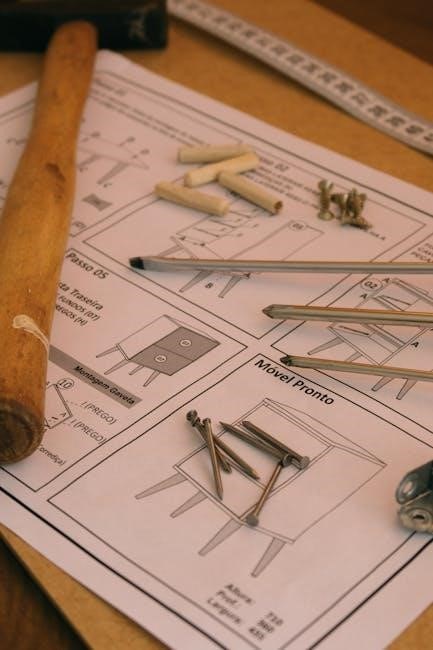
Professional installation typically ranges from $500 to $1700, but DIY installation is feasible for experienced homeowners. Begin by gathering necessary tools and materials, including PEX piping and crimp fittings, favored by installers for their flexibility and speed.
Connecting to the water supply requires careful attention to inlet and outlet designations. A bypass valve is crucial, allowing water flow even during maintenance or regeneration. Ensure proper sealing to prevent leaks, and consider placing a leak containment sheet underneath the unit for added protection against potential water damage.
Tools and Materials Needed
For a successful installation, gather essential tools: pipe cutter, PEX crimper, adjustable wrenches, Teflon tape, and a level. Materials include the water softener unit itself, PEX piping (consider flexibility for routing), crimp fittings for secure connections, and a bypass valve assembly;

Don’t forget a plastic-rimmed sheet (like a dog kennel mat) for leak containment. Depending on water quality, an iron/sulfur filter and its associated fittings may also be necessary. A bucket and towels are handy for managing residual water during the process.
Connecting to Water Supply
Begin by shutting off the main water supply. Carefully cut the existing water line, preparing it for connection to the softener’s inlet and outlet ports using PEX piping and crimp fittings. Ensure a secure, watertight seal at each connection point – Teflon tape is crucial here.
The PEX piping’s flexibility simplifies routing and minimizes stress on joints. Double-check all connections before slowly restoring water flow, watching for any leaks. Proper connection is vital for efficient softening and preventing water damage.
Bypass Valve Installation
A bypass valve is essential for maintaining water flow during softener maintenance or repairs. Install it strategically, typically between the main water supply and the softener’s inlet, using appropriate fittings and PEX piping. Ensure the valve handles are clearly labeled for “Bypass” and “Service” positions.
Regularly test the bypass valve to confirm its functionality. This allows continued water access without softener operation. Proper installation prevents disruptions and simplifies future servicing, safeguarding your water supply during maintenance procedures.
Initial Setup and Programming
After installation, the initial setup involves setting the correct time and date on your water softener’s control panel. Accurate timekeeping is crucial for proper regeneration cycle scheduling. Next, program the regeneration cycles, considering your household’s water usage patterns for optimal efficiency.
Crucially, input your water hardness level, determined by a water test, into the softener’s settings. This ensures the system calculates the correct amount of salt to use during regeneration, maximizing softening performance and minimizing salt waste. Refer to the manufacturer’s guide for specific programming instructions.
Setting the Clock and Date
Accurate time and date settings are fundamental for your water softener’s automated functions, particularly the regeneration cycles. Most modern softeners feature a digital control panel with dedicated buttons for time and date adjustment. Consult your specific model’s manual for detailed instructions, as interfaces vary.

Typically, you’ll navigate through the menu using arrow keys, adjusting hours, minutes, month, day, and year. Confirm each setting before saving. Incorrect time settings will disrupt the regeneration schedule, impacting water softening effectiveness. Double-check the settings post-adjustment to ensure accuracy.
Programming Regeneration Cycles
Regeneration cycles are crucial for maintaining your water softener’s resin bed’s effectiveness. Programming these cycles involves setting the frequency and timing based on your water usage and hardness levels. Most systems allow customization of regeneration start times, often during off-peak hours to conserve water.
Explore options like immediate regeneration for initial setup or demand-initiated regeneration, triggered by water usage. Consult your manual for specific programming steps, utilizing the control panel’s menu options. Proper programming ensures consistent soft water and extends the softener’s lifespan. Incorrect settings can lead to inefficient operation.
Inputting Water Hardness Settings
Accurate water hardness input is vital for optimal softener performance. Obtain a professional water test to determine your grains per gallon (GPG) or parts per million (PPM) hardness level. Your softener’s control panel will guide you through entering this value, typically using up and down arrow keys.
Incorrect settings result in inefficient regeneration and potentially hard water breakthrough. Refer to your manual for specific instructions, as interfaces vary between models. Some systems offer automatic hardness adjustment based on water usage patterns. Double-check your input to ensure accurate softening and prolonged resin life.
Adding Salt to the Brine Tank
Maintaining sufficient salt levels in the brine tank is crucial for successful regeneration. Several salt types are available, including rock salt, solar salt, and evaporated salt pellets – choose based on cost and purity. Avoid salts with red or orange coloring, as these can contain iron.
Typically, fill the tank about halfway to three-quarters full. Monitor levels regularly, especially with higher water usage, as some tanks hold around four bags. Don’t allow the salt to crust over; break up any clumps to ensure proper brine formation. Consistent salt levels guarantee effective resin cleaning and continued water softening.
Types of Water Softener Salt
Several salt options exist for your brine tank, each with varying purity and cost. Rock salt, mined from underground deposits, is the most economical but contains impurities. Solar salt, evaporated from seawater, offers higher purity and dissolves more readily. Evaporated salt pellets, created through a vacuum evaporation process, provide the highest purity and consistent dissolution.
Avoid using salts containing red or orange coloring, as these indicate iron content which can damage the resin bed. Potassium chloride is an alternative for those on sodium-restricted diets, though it’s less efficient and more expensive.
How Much Salt to Add
The amount of salt needed depends on your water hardness and household water usage. Generally, initially fill the brine tank about halfway with salt. Regularly check the salt level, aiming to maintain at least several inches of salt above the water line. A typical softener, as noted, might hold around four bags of salt.
Avoid overfilling, as salt can bridge and prevent proper dissolution. Monitor consumption to estimate refill frequency; heavier water use necessitates more frequent additions. Consistent salt levels ensure optimal softener performance and efficient water softening.
Monitoring Salt Levels
Regularly inspecting your brine tank’s salt level is crucial for consistent water softening. Aim to check the tank at least monthly, and more frequently with higher water usage. Ensure salt covers the water surface, maintaining a few inches above the brine.
Look for salt bridging, where a hard crust forms, preventing dissolution. Break up any bridges with a broom handle. Consistent monitoring prevents softener inefficiency and potential damage. Proper salt levels guarantee optimal performance and extend the life of your water softening system.
Regeneration Cycle Explained
The regeneration cycle is essential for restoring the resin bed’s ion exchange capacity. This process typically involves backwashing, brine draw, rinse, and refill phases. Backwashing flushes debris, while brine draw replenishes the resin with sodium ions.
Rinsing removes excess brine, and refill prepares the tank for the next cycle. Frequency depends on water hardness and usage; systems regenerate automatically based on programmed settings. Addressing regeneration issues, like insufficient brine, ensures optimal softening performance and prolongs the system’s lifespan.
What Happens During Regeneration?
During regeneration, the water softener reverses its normal operation to cleanse the resin beads. First, backwashing flushes out accumulated sediment and iron particles. Next, brine – a concentrated salt solution – is drawn from the brine tank and flows through the resin bed.
This process replaces hardness minerals with sodium ions, restoring the resin’s softening capacity. Finally, a rinsing cycle removes excess brine, and the brine tank refills with water, preparing for the next regeneration. This automated process ensures continuous soft water supply.
Frequency of Regeneration
Regeneration frequency depends on water hardness, water usage, and softener capacity. Most modern softeners regenerate automatically, typically every few days or weekly. Higher water hardness or increased water consumption necessitate more frequent cycles.
Some systems offer demand-initiated regeneration (DIR), which triggers cycles based on actual water usage, optimizing salt and water efficiency. Monitoring salt levels and adjusting settings ensures optimal performance. Infrequent regeneration can lead to reduced softening capacity, while excessive cycles waste resources.
Troubleshooting Regeneration Issues
If regeneration fails, check the brine tank salt level first. Insufficient salt prevents proper brine creation. Verify the drain line isn’t clogged, hindering wastewater expulsion. Examine the timer or control valve for error codes, consulting the manual for specific meanings.
A malfunctioning valve can disrupt the regeneration sequence. Low water pressure can also impede the process. If issues persist, consider a resin bed cleaning or professional inspection. Ignoring regeneration problems leads to hard water and potential softener damage, requiring costly repairs.
Maintenance and Troubleshooting
Regular maintenance extends your water softener’s lifespan and efficiency. Annually, clean the brine tank to remove sediment buildup, ensuring optimal salt dissolution. Periodically check the resin bed for fouling – a decline in performance indicates cleaning or replacement may be needed.
Common problems include hard water despite softener operation, often due to low salt levels or valve malfunctions. Address leaks promptly, utilizing containment measures like kennel mats. Consistent monitoring and proactive maintenance prevent major issues and costly repairs, safeguarding water quality.
Cleaning the Brine Tank
The brine tank accumulates sediment over time, hindering salt dissolution and softener efficiency. Annually, or more frequently with heavily sedimented water, drain the tank completely. Remove any remaining salt and debris. Inspect for cracks or damage, addressing them promptly to prevent leaks.
Rinse the tank thoroughly with water, removing all traces of sediment. A mild disinfectant can be used, ensuring complete rinsing before refilling. Proper cleaning maintains optimal brine production, crucial for effective resin regeneration and consistently soft water. This simple step significantly extends softener life.
Checking the Resin Bed
The resin bed is the heart of your water softener, responsible for ion exchange. Periodically, typically every few years, assess its condition. Turn off the water supply and bypass the softener. Carefully remove the upper distributor tube and inspect the resin beads.

Healthy resin beads are uniformly colored and spherical. Brittle, discolored, or clumped beads indicate degradation. A simple test involves placing a handful in water; good resin will sink. If significant degradation is observed, resin replacement is necessary for optimal softening performance. Maintaining the resin bed ensures continued water quality.
Addressing Common Problems
Low water pressure can stem from clogged injectors or a partially blocked resin bed. Inspect and clean these components. Salty tasting water often indicates regeneration issues; verify salt levels and programming. Persistent hard water suggests resin exhaustion or bypass valve malfunction.
Leaks, even minor condensation, require immediate attention. Utilize a containment mat to identify and address the source. Unusual noises during regeneration may signal mechanical failures. If problems persist, consult a qualified plumber for diagnosis and repair, ensuring continued efficient operation.
Water Softener Warranties
Understanding warranty coverage is crucial when selecting a water softener. Plumbing shops often tout superior warranties compared to big-box retailers. Carefully review the terms, noting covered components, duration, and limitations. Typically, warranties cover the control valve and resin tank, but may exclude labor or salt-related issues.
Promptly register your water softener to activate the warranty. Keep proof of purchase and warranty documentation readily accessible. Failing to register can void coverage. Be aware of what’s not covered, such as damage from improper installation or use.
Understanding Warranty Coverage
Water softener warranties vary significantly between manufacturers and retailers. Typically, they cover defects in materials and workmanship for a specified period. The control valve often has a longer warranty than the resin tank or other components. Labor costs for repairs or replacement are frequently not included, representing a significant out-of-pocket expense.

Pay close attention to exclusions. Warranties generally don’t cover damage caused by improper installation, freezing, hard water scale buildup, or the use of non-approved salt types. Read the fine print carefully to understand your rights and responsibilities.
Registering Your Water Softener
Promptly registering your water softener is crucial for warranty validation and efficient claim processing. Most manufacturers require online registration within a specific timeframe – often 30 to 90 days – from the date of purchase. Keep a copy of your purchase receipt and the registration confirmation for your records.
Registration allows the manufacturer to contact you with important updates, recall notices, or maintenance reminders. It also streamlines the warranty process should you encounter any issues. Failing to register may invalidate your warranty or delay claim resolution.
Cost Considerations
Investing in a water softener involves several financial aspects beyond the initial purchase price. Professional installation can add significantly to the overall cost, potentially reaching $500 or more, depending on plumbing complexity. Expect to spend between $600 and $1700+ for a complete system, including parts and labor.
Ongoing expenses include water softener salt, which requires periodic replenishment based on water usage – a 4-bag capacity is common. Factor in the long-term cost of salt, which can accumulate over time. Carefully evaluate these costs when comparing different softener options and installation quotes.
Initial Purchase Price

The upfront cost of a water softener varies considerably based on type and capacity. Retailers like Home Depot and Lowe’s offer models, such as A.O. Smith, ranging from approximately $500 to $700. However, prices can escalate significantly when opting for systems installed by dedicated plumbing or softener shops.
These specialized businesses may quote upwards of $1700 for both parts and labor, often justifying the higher price with claims of superior component quality and extended warranty coverage. Carefully compare prices and features before deciding, considering your specific water hardness and usage needs.
Installation Costs
Professional installation significantly adds to the overall expense of a water softener system. While some retailers may offer free installation as a promotion, typical plumbing costs can range around $500, or even higher, depending on the complexity of the plumbing setup.
Factors influencing installation fees include the distance to the water supply, the need for PEX piping and fittings (often preferred for flexibility), and any required modifications to existing plumbing. A skilled plumber can complete the job quickly and efficiently, ensuring proper connections and a bypass valve is correctly installed.
Ongoing Salt Costs
Beyond the initial purchase and installation, water softeners require a continuous supply of salt for effective operation; The frequency of salt replenishment depends directly on your household’s water usage and the hardness of your water supply.
A typical brine tank can hold approximately four bags of salt, but this varies by softener model. Salt prices fluctuate, but budgeting for regular purchases is essential. Consider different salt types – rock salt, solar salt, or evaporated salt – each with varying costs and purity levels. Consistent monitoring of salt levels prevents system inefficiency.
PEX Piping for Installation
When installing a water softener, the choice of piping material is crucial. PEX (cross-linked polyethylene) piping has become a popular alternative to traditional copper or CPVC. Its inherent flexibility allows for easier maneuvering around obstacles during installation, reducing the need for numerous fittings.
PEX with crimp fittings offers a quick and secure connection method. The flexibility also accommodates potential settling or shifting, minimizing leak risks. Professionals often favor PEX for its ease of use and cost-effectiveness. It provides ample rotation and simplifies the overall installation process, saving time and labor costs.
Iron and Sulfur Filters (Pre-Softener)
For those contending with iron or sulfur in their water supply, a pre-softener filter is a valuable addition to the system. These filters target contaminants that can foul the water softener’s resin bed, reducing its efficiency and lifespan. Iron manifests as reddish-brown staining, while sulfur produces a distinct rotten egg odor.
Installing a dedicated iron and sulfur filter before the softener eliminates these issues, ensuring cleaner, better-tasting water. This proactive step protects the softener investment and minimizes maintenance. The result is a system that operates optimally, delivering consistently high-quality water for your home.
Leak Prevention and Containment
Water softener systems, with their connections and brine tanks, present a potential for leaks. Proactive leak prevention is crucial to avoid water damage and costly repairs. Regularly inspect all connections, hoses, and the brine tank itself for any signs of moisture or corrosion. Tighten fittings as needed and replace worn components promptly.
For containment, consider placing a protective barrier under the entire system. A plastic, rimmed sheet – similar to those used under dog kennels – effectively captures minor leaks or condensation. This simple precaution allows for early detection and prevents water from spreading, safeguarding your floors and surrounding areas.