
Overview of Split Rings
Split rings are versatile connectors used in jewelry, electronics, and industry. They come in various sizes, materials, and shapes, allowing secure attachment while providing easy access for maintenance or adjustments. Knowing size options ensures proper fit and durability. Secure, flexible use.
Understanding the Purpose and Usage of Split Rings
Split rings are the most common fastening element in jewelry, allowing beads, pendants, charms, and other small items to be added or removed with minimal effort. Their simple yet effective design—two halves that can be opened and closed—makes them ideal for necklaces, bracelets, and safety harnesses. In industrial settings, split rings secure cables, harnesses, and components, providing a quick release in case of emergency or maintenance. Their versatility extends to hobbyist projects, enabling custom jewelry, keychains, and decorative accents for everyday use and for daily wear today.
In jewelry, a split ring maintains a secure yet flexible connection. The ring’s opening can be widened with a small tool or by hand, allowing beads or charms to slide onto the wire. Once the desired configuration is achieved, the ring is closed, locking the components in place. This feature is especially useful for adjustable-length necklaces, where the ring can be repositioned to accommodate different collar sizes or to add new elements without cutting the chain.
Overall, split rings combine strength, flexibility, and convenience. Their widespread adoption across diverse fields—from fine jewelry to high-stakes safety equipment—underscores their importance. Understanding how they function and where they are applied helps users select the correct size and material for their specific needs, ensuring both performance and longevity.

Materials and Construction
Split rings are made from metals such as stainless steel, brass, nickel‑free gold, and titanium, each offering different durability and corrosion resistance. They are produced by laser‑cutting, hand‑welding, or stamping, which affect strength and flexibility, ensuring a secure closure for all.!
Common Materials and Their Properties
Split rings are fabricated from a range of metals, each chosen for its mechanical strength, corrosion resistance, and aesthetic appeal. Stainless steel, the most widely used material, offers excellent durability and a clean, polished finish that resists tarnish and rust. Its high chromium content provides a protective oxide layer that protects, making it suitable for jewelry, industrial fasteners, and electronic connectors. Brass, an alloy of copper and zinc, delivers a warm, golden hue and good machinability, but it can corrode when exposed to moisture or acidic environments; a nickel‑free brass variant mitigates allergic reactions. Nickel‑free gold and gold‑plated options provide a luxurious look while avoiding nickel‑induced dermatitis; however, they may require more frequent polishing to maintain luster. Titanium is prized for its lightweight nature and superior strength‑to‑weight ratio. It is highly resistant to corrosion in saltwater and body fluids, making it ideal for medical devices and high‑performance jewelry. Aluminum offers a lightweight, cost‑effective alternative, though it is softer and more prone to deformation. Copper, while highly conductive, oxidizes quickly, forming a green patina that can be desirable in antique or rustic designs. Each material’s hardness, ductility, and surface finish influence the ring’s ability to open and close smoothly, its longevity under repeated use, its compatibility with various environments.
Size Standards for Split Rings
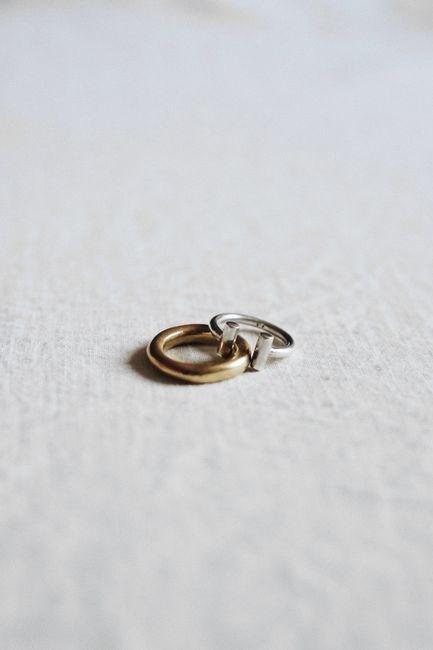
Split rings follow international sizing systems such as ISO, DIN, and US/UK standards, each defining inner diameter, outer diameter, and weight. Manufacturers list dimensions in millimeters or inches, enabling precise selection for jewelry, electronics, and industrial applications. For accuracy.
International and Regional Size Systems
Split rings are produced worldwide, and manufacturers often adhere to multiple sizing conventions. The most prevalent global standard is the ISO 9001 series, which specifies inner diameter, outer diameter, and weight in metric units. In Europe, DIN 4000 and DIN 4001 provide complementary ranges, especially for industrial and automotive applications. The United States uses the “US” system, where sizes are expressed in inches and labeled as “0” through “10” for small rings, and “A” to “F” for larger, heavier rings. The United Kingdom follows a similar pattern but includes a “UK” prefix for certain heavy‑duty rings. Asian markets, Japan and China, employ the JIS and CEN standards, respectively, which align closely with ISO but include high‑precise components. When selecting a split ring, it is crucial to verify the exact dimension set used by the manufacturer, as slight variations can affect fit, strength, and compatibility with other components. For jewelry, the ISO 1063 standard is common, offering a range of sizes from 0.5 mm to 10 mm; For industrial use, the ISO 9001 series covers sizes from 2 mm to 50 mm, with corresponding weight classes. Always consult the supplier’s datasheet and, if possible, measure the ring physically and confirm the correct size before finalizing a purchase plus! This guide consolidates key measurements, ensuring you can confidently select rings that match your design requirements across all industries worldwide!!
Measuring Your Ring Size
Use a flexible measuring tape or a piece of string to wrap around the ring’s inner diameter. Mark the overlap, then measure in millimeters. Compare the result to a standard size chart to find the closest match. Accuracy ensures proper fit and comfort. Use a ruler to double‑check the measurement.
Step-by-Step Measurement Process
Follow these precise steps to determine the correct split‑ring size. Accurate measurement guarantees a secure fit and prevents accidental loss.
- Gather tools: a flexible tape or thin non‑stretchable string, a ruler or caliper, a pencil, and paper. Use ruler accuracy.
- Place the ring on a flat surface, press the inside rim against paper to capture the inner diameter. Keep ring steady.
- Using a pencil, trace the ring’s inner edge on paper. Ensure the line is continuous. Avoid smudges. Use a fine‑pointed pen.
- Measure the traced line with a ruler or caliper, noting millimeters. Record to the nearest 0.1 mm. Use a fine‑pointed pen.
- Repeat measurement twice to confirm consistency. If readings differ >0.2 mm, re‑measure until stable. Check for uniformity.
- Consult a size chart to match your measurement to the split‑ring size. Charts give metric and imperial equivalents.
- When selecting a size, consider the ring’s use. For high‑tension, choose a slightly larger size to allow expansion under load.
- Verify the size by fitting the ring on a dummy or component. Adjust if needed before final installation.
- After measurement, store the ring in a cool, dry place to keep its shape and avoid corrosion.

By following these steps, you can determine the exact split‑ring size for any project, ensuring reliability and longevity. This guarantees a secure fit.
Common Split Ring Sizes
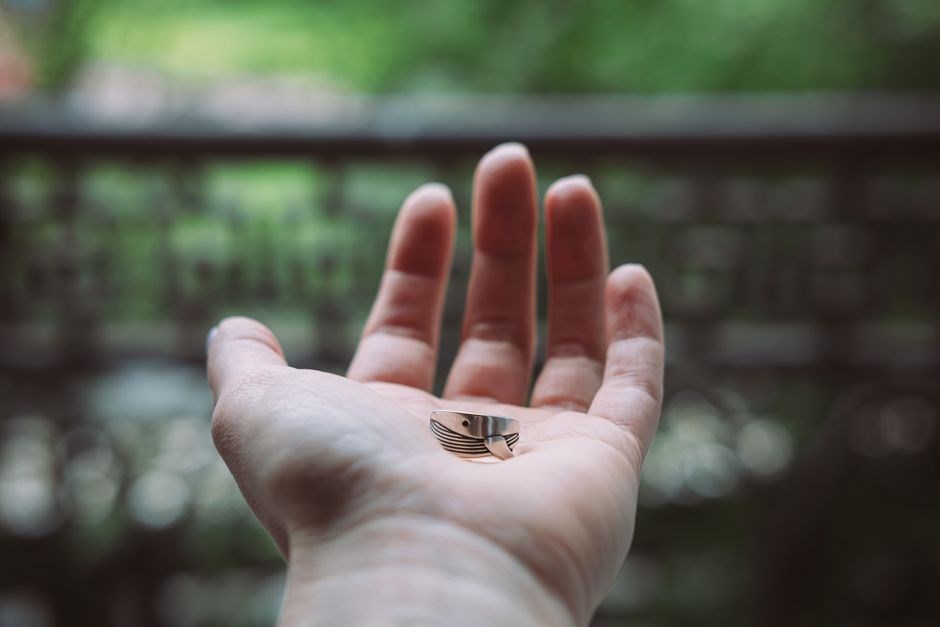
Split‑ring sizes vary from 1 mm to 30 mm in diameter, covering connectors industrial links. Standard sizes include 1.5 mm, 3 mm, 5 mm, 8 mm, 10 mm, 12 mm, 15 mm, 20 mm, 25 mm, and 30 mm. Choose based on load and application. Ideal for hobbyists and DIY needing links. All rings fit snugly, each.!
Size Chart and Conversion Tables
Below is a concise reference for selecting split‑ring diameters across common measurement systems. Use the table to match the desired internal diameter (ID) in millimeters, the equivalent outer diameter (OD) in inches, and the nominal size in the U.S. standard. For applications requiring precise tolerance, consult the manufacturer’s specification sheet.
| Millimeters (ID) | Inches (OD) | U.S; Size |
|---|---|---|
| 1.5 | 0.059 | 0.059″ |
| 3.0 | 0.118 | 0.118″ |
| 5.0 | 0.197 | 0.197″ |
| 8.0 | 0.315 | 0.315″ |
| 10.0 | 0.394 | 0.394″ |
| 12.0 | 0.472 | 0.472″ |
| 15.0 | 0.590 | 0.590″ |
| 20.0 | 0.787 | 0.787″ |
| 25.0 | 0.984 | 0.984″ |
| 30.0 | 1.181 | 1.181″ |
| 35.0 | 1.378 | 1.378″ |
| 40.0 | 1.575 | 1.575″ |
| 45.0 | 1.772 | 1.772″ |
| 50.0 | 1.969 | 1.969″ |
| 60.0 | 2.362 | 2.362″ |
| 70.0 | 2.755 | 2.755″ |
?
Conversion note: 1 mm ≈ 0.03937 in. For metric‑only systems, the ID is the most critical dimension. When converting from U.S. sizes, round to the nearest 0.001 in for accuracy.

How to Choose the Right Split Ring
Choose a ring by matching its internal diameter to the item’s size, considering material strength and flexibility. Measure the opening, pick a slightly larger ring for ease, and test fit by sliding it on. Verify comfort and durability before use now!!.
Factors Influencing Size Selection
Choosing the proper split‑ring size hinges on several interrelated factors. First, the internal diameter must match the component it will encircle—whether a chain, cable, or mechanical part—so the ring does not slip or bind. Measure the component’s width or circumference accurately, then select a ring whose opening is slightly larger to allow smooth insertion while still holding firmly. Second, material strength and flexibility play a pivotal role. Stainless steel rings can be thinner yet robust, whereas nylon or brass rings may require a larger diameter to compensate for lower tensile strength. Third, the intended load and environmental conditions influence size: a ring that will bear heavy mechanical stress or be exposed to corrosive chemicals should be slightly larger to reduce stress concentration and allow for future expansion or repair. Fourth, the ease of maintenance matters; a ring that must be opened frequently for adjustments or cleaning should have a generous opening to avoid repeated bending or deformation. Fifth, aesthetic considerations—such as the visual balance between the ring and the object it connects—can dictate a subtle size choice. Finally, standard sizing charts and conversion tables provide a baseline, but always validate the selected size through a trial fit, ensuring the ring stays secure without excessive force.
Consider manufacturing tolerances and temperature expansion. Rings may expand in heat, so a slightly larger size can prevent binding. For frequent opening, choose a ring with a generous opening to reduce wear.
All set, go now!ok

Maintenance and Care Tips
Keep split rings clean by wiping with a soft cloth, avoiding harsh chemicals. Store them in a dry pouch to prevent corrosion. Inspect for cracks before use, and replace any damaged rings promptly to maintain safety and longevity. Regularly inspect for wear replace
Proper Cleaning and Storage Practices
Cleaning split rings is essential for longevity and safety. Begin by removing any debris with a soft‑bristle brush or a cotton swab. For metal rings, a mild soap solution or specialized jewelry cleaner works best; avoid abrasive scouring pads that can scratch the surface. Gently rinse with lukewarm water and pat dry with a microfiber cloth. If the ring is coated with a protective finish, use a non‑ionic detergent to preserve the coating. For plastic or polymer rings, a gentle dish soap and warm water suffice; avoid hot water which can warp the material. After cleaning, inspect the ring for any signs of wear such as cracks or loose fittings. Replace any compromised rings immediately to prevent accidents during use.
Storage should protect the ring from physical damage and environmental factors. Keep split rings in a dedicated jewelry pouch or a small, lined container that prevents scratching. If you have multiple sizes, separate them by size or material to avoid accidental mix‑ups. Store in a cool, dry place away from direct sunlight, which can fade or degrade certain finishes. For metal rings, a silica gel packet can absorb moisture and reduce oxidation. Avoid storing metal rings near strong magnets or high‑temperature appliances, as magnetic fields or heat can alter the metal’s properties. When not in use, place the rings in a drawer with a soft lining or a dedicated compartment to keep them organized and easily accessible. Keep.?
Frequently Asked Questions
What sizes are common? Standard ranges 0.5–10 mm. How to measure? Tape around finger, convert to ring size. Can I mix materials? Yes, but match threads. Where to buy? Reputable jewelers or online stores. Clean gently, store dry. Polish with a soft cloth!Help
Answers to Common Queries About Split Rings
Here are concise answers to the most frequently asked questions about selecting and using split rings. Each answer ensures you can confidently choose the right size for your project!
- What is the standard size range for split rings? Most commercial split rings range from 0.5 mm to 10 mm in diameter. Common jewelry sizes include 1.0 mm, 1.5 mm, 2.0 mm, 2.5 mm, 3.0 mm, 3;5 mm, 4.0 mm and 5.0 mm.
- How do I determine the correct size for my jewelry piece? Measure the bead’s internal diameter and add a small allowance (≈0.1 mm) for the ring’s opening.
- Can I use a split ring larger than the bead’s diameter? Yes, but it will be loose and may not stay in place.
- What material should I choose for durability? Stainless steel, titanium, and high‑grade brass are common. Stainless steel resists corrosion, titanium is lightweight, and brass offers a classic look.
- How do I clean and maintain a split ring? Wipe with a soft cloth after use. For deeper cleaning, soak in warm soapy water, rinse, and dry. Store in a dry, cool place.
- Can split rings be reused? Yes, as long as the metal remains intact and the opening is not distorted.
- Where can I purchase high‑quality split rings? Reputable jewelers, specialty hardware suppliers, and online marketplaces that specialize in jewelry components.
- Is there a difference between a split ring and a standard ring? A split ring has a small opening; a standard ring is a continuous loop with no opening.
When in doubt, consult a professional jeweler or reference the manufacturer’s size chart. Accurate sizing guarantees a smooth assembly process and a durable final product!
By following these guidelines and carefully measuring your components, you can confidently select a split ring that meets both functional and aesthetic requirements. Proper selection and maintenance will extend the lifespan of your jewelry or mechanical assembly!!